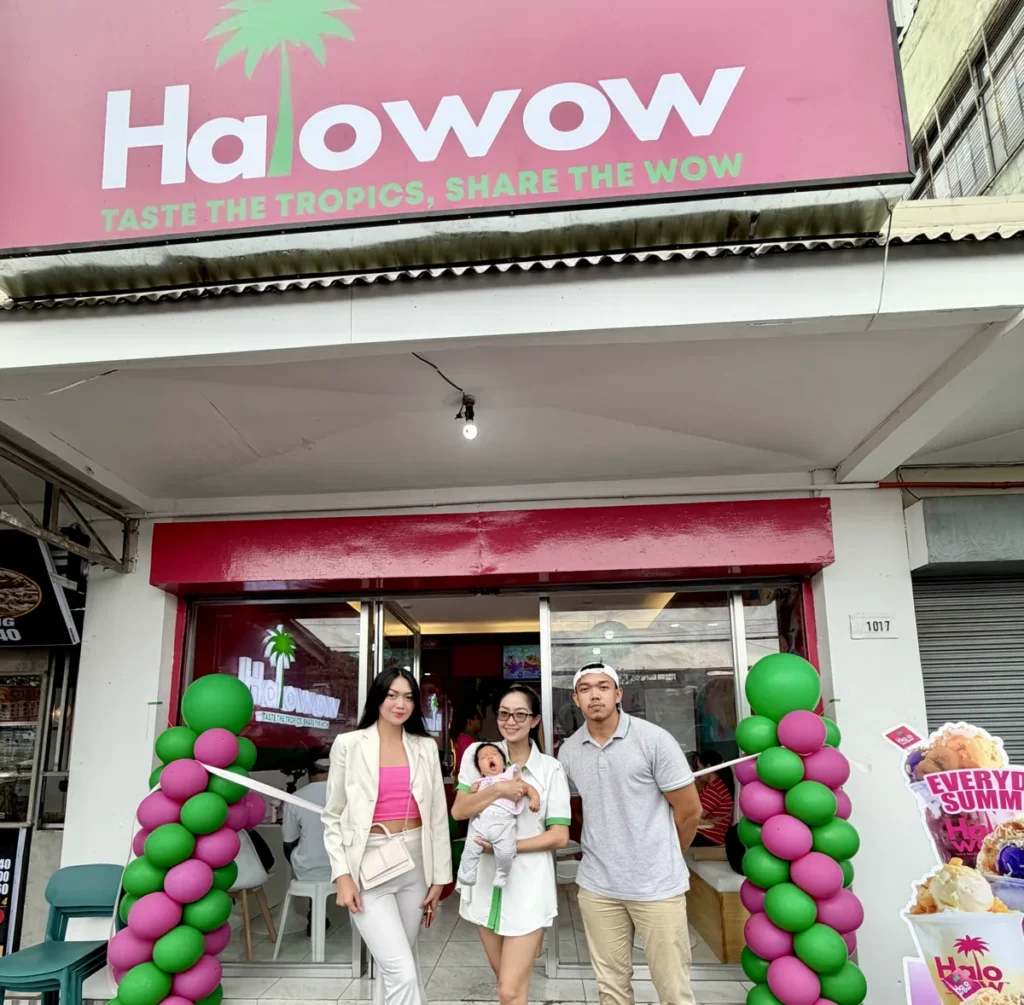
A small shop in Taytay
In 2025, three siblings opened a small dessert shop in Taytay, Rizal. They had a few handwritten recipes and a very clear memory of how halo-halo should taste. There was no ribbon-cutting, no press release and no investor money behind it. The shop was Halowow.
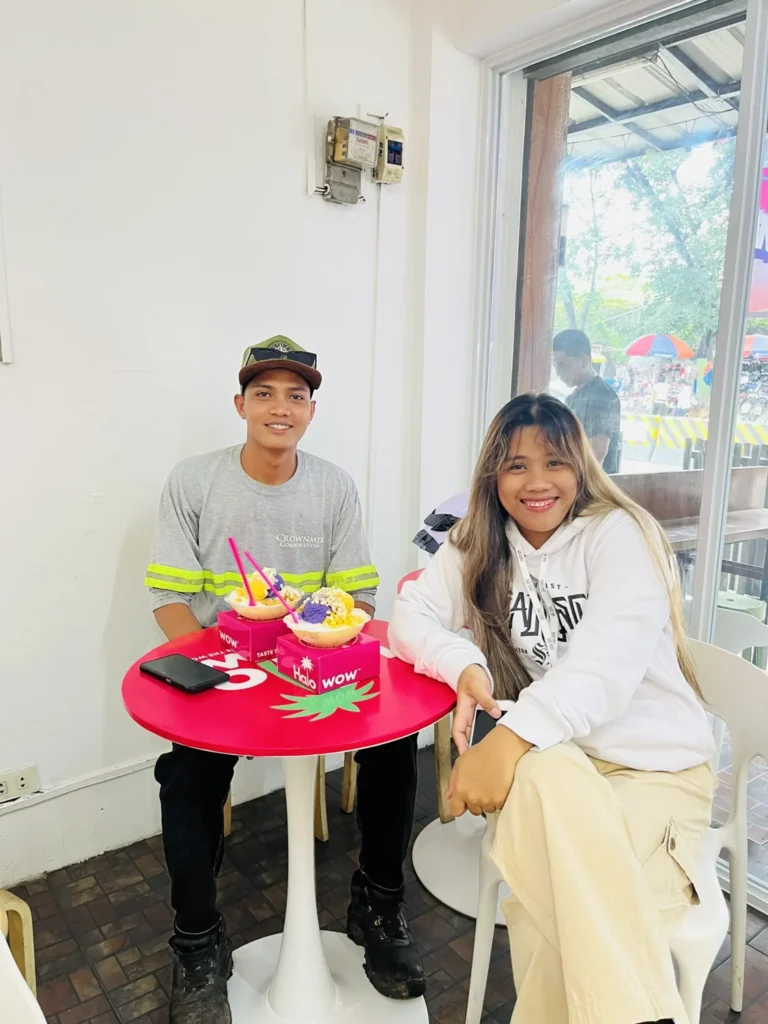
The family’s dessert business first ran as The E & Y Dessert Shop. Neighbors came first, then their friends, then people who had seen photos online and made the trip. A lot of them were back the following week.
Three siblings and their parents’ recipe
Aiby Jane, Aice Zel and Czearian Marc Maghinay grew up with halo-halo at birthdays, on Sunday afternoons and at family gatherings. The one they loved most was their own: the version their mother made every summer and their father kept quietly improving over the years. That recipe became the blueprint for Halowow.
Each sibling now runs a part of the business. Aiby Jane leads sales and strategy, Aice Zel leads the brand, and Czearian Marc handles flavor and supply. Meet the family.
How a Halowow cup is different
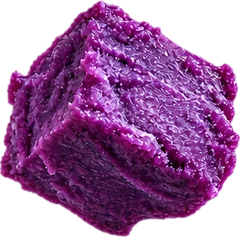
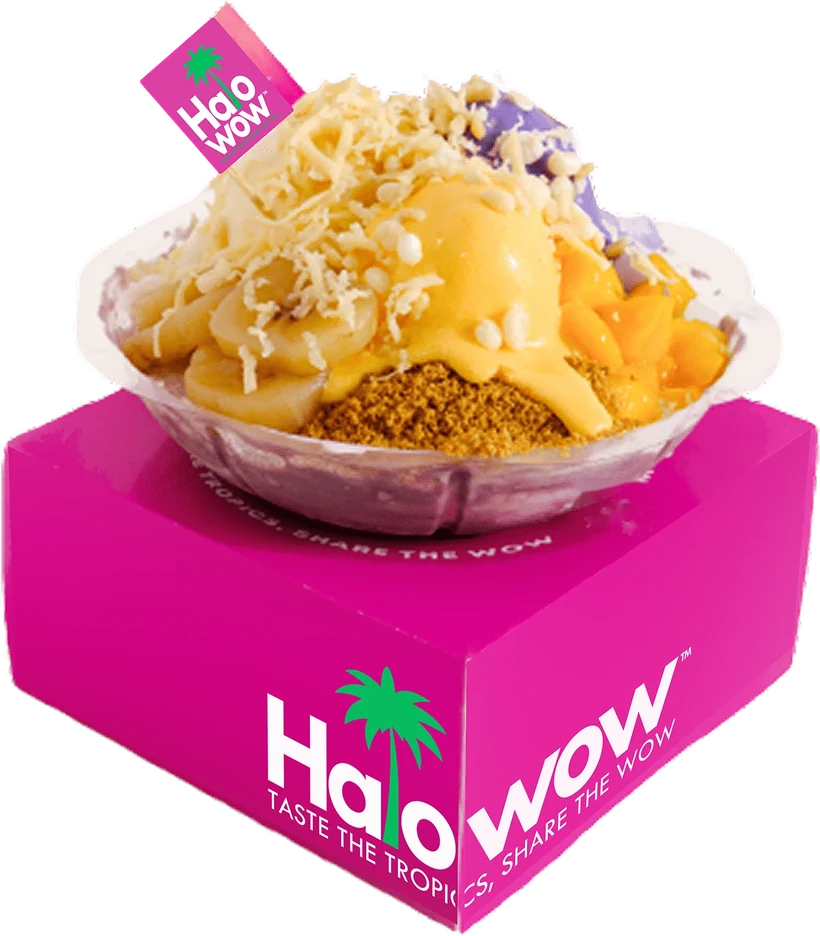
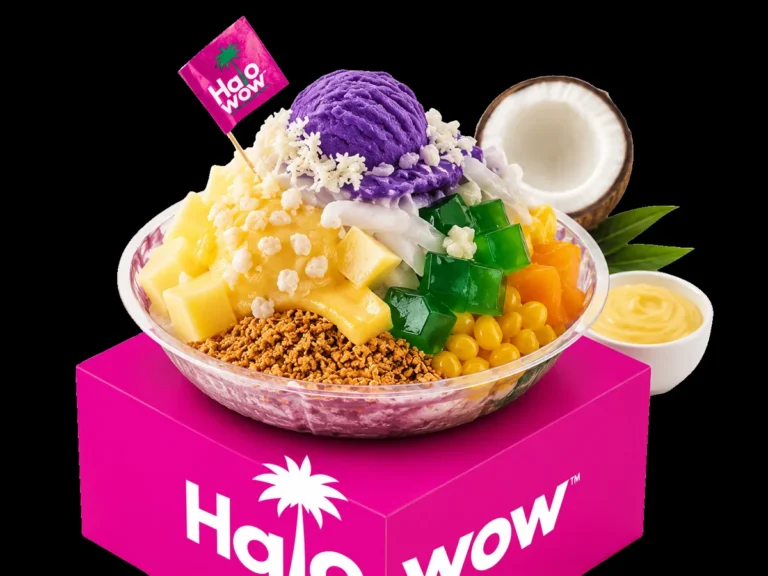
The siblings made some deliberate choices. They left out beans and gave sweet corn the lead, which makes the cup smoother and creamier. They kept the ube honest, mashed and cooked by hand and never dyed. They prepared the coconut fresh and left the ice shaving for the last possible moment.
Each cup is mixed while you wait and finished with milk once the layers settle. Two family recipes hold it together: the premium signature ice and the signature cream, a custard cream the family makes by hand. Wherever they can, the family buys from local farmers and suppliers.
Where the name comes from
It is exactly what it sounds like: halo-halo + wow. Customers kept saying “wow” after the first spoonful, and the family wanted a name that held on to that reaction.
Five signature flavors
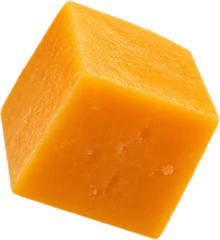
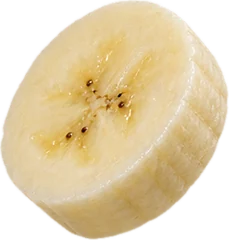
Halowow serves five flavors all year: Premium Overload, Cheesy Ube Macapuno, Super Maisarap, Oh Cheesy Mangoodness and Creamy Classic. Each one is a different way into the same family recipe.
A day at the Taytay shop
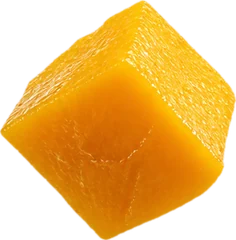
At the Taytay flagship on Don Hilario Cruz Avenue, the work starts well before the first customer. The ube gets checked, the macapuno portioned, the mango cut fresh, and the ice is ready to shave. When an order comes in, the cup is built right in front of you: ice, layers, signature cream, milk last.
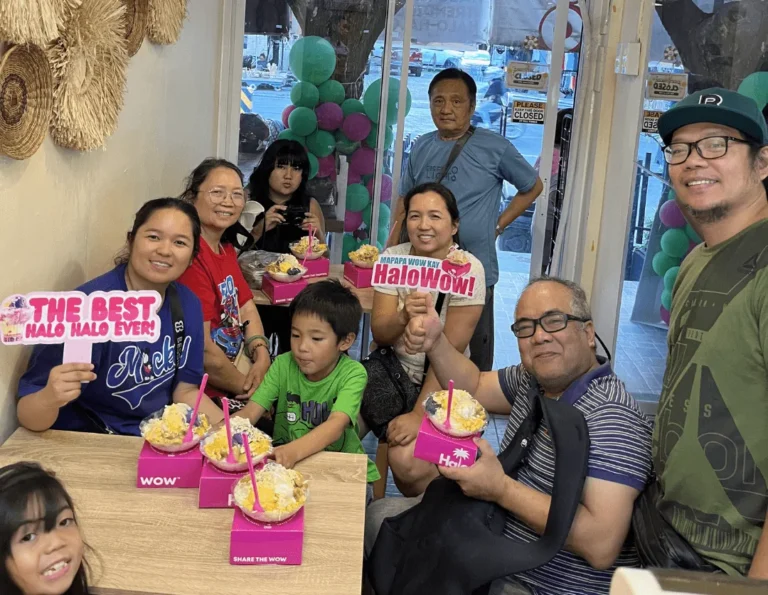
Shoppers from the nearby tiangge duck in to cool off. Families come by after church. Students split a Premium Overload between friends.
What customers say
On Google, Taytay customers call Halowow “really authentic”, with “every layer may lasa”, “balanced and not overly sweet”, and shaved ice that is “super fine, not the chunky kind that waters everything down.” The family reads those reviews closely, because they describe exactly the halo-halo they set out to make.
Still rooted in Taytay
Halowow now has 16 branches across Rizal, Metro Manila, Benguet, the Visayas and Mindanao, run with franchise partners who keep the family’s standards. Home base is still Taytay, where the flagship serves every flavor the way it was first made. The aim is the same as on day one: bring people together over halo-halo made with care. Learn about franchising.