
One glass, a lot of history
Order a halo-halo anywhere in the Philippines and you are holding a small history lesson in a tall glass. Japanese ice, Spanish custard, American canned milk, Filipino fruit and roots. Nobody planned it that way. It came together one vendor and one kitchen at a time, the way most good Filipino food does: someone borrowed an idea, and then we made it ours.
The story starts with a block of ice.
It started with kakigōri
In the early 1900s, Japanese immigrants settled in parts of the Philippines, many of them around Manila. They brought kakigōri with them: ice shaved fine, topped with sweet syrup and often with sweetened red or mung beans. Some sold a version locals came to call mongo con hielo, beans over ice.
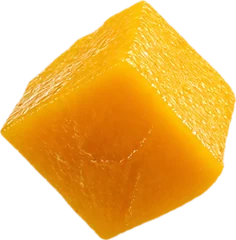
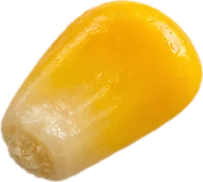
Filipino vendors picked up the idea fast, then did what Filipino cooks always do. They looked around the market. Saba went in, cooked down in syrup. So did sweet corn, nata de coco, strips of langka, kaong and cubes of gulaman. A spare Japanese dessert turned into a generous Filipino one.
When ice was a luxury
It is easy to forget that ice used to be expensive. During the American colonial period it was shipped into the islands, and only wealthy households could count on having it. That changed once ice plants went up in Manila and other cities. Shaved ice stopped being a rich family’s treat and became something an ordinary family could buy on a hot afternoon.
By mid-century, hand-cranked ice shavers were a fixture in public markets, and a cold glass of halo-halo had become one of the few treats nearly everyone in the country could afford.
The Filipino layers arrive
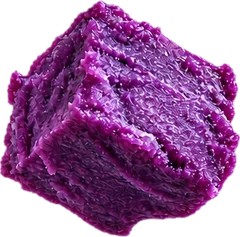
As halo-halo spread, it picked up a little from everyone who had passed through the islands. Evaporated milk, a pantry staple from the American years, got poured over everything. Nata de coco, kaong and gulaman added chew. Then came ube halaya, purple yam cooked slowly with milk and sugar, and it more or less became the crown.
No single country can claim the result. It could still only have been made here: Japanese ice technique, American milk, and Filipino fruit and roots sharing one glass.
From carts to family tables
Halo-halo became the taste of a Philippine summer. You bought it from sidewalk carts and market stalls, found it at fiestas and birthdays, and later saw it on fast-food menus across the country. Ask around, though, and most people say the best one was at home. Ube stirred by hand. Saba simmered in syrup until glossy. Macapuno from the vendor your family trusted, and corn simmered in milk.
Every household made it a little differently, and nobody’s version was wrong. That part hasn’t changed.
What went into the first Filipino versions
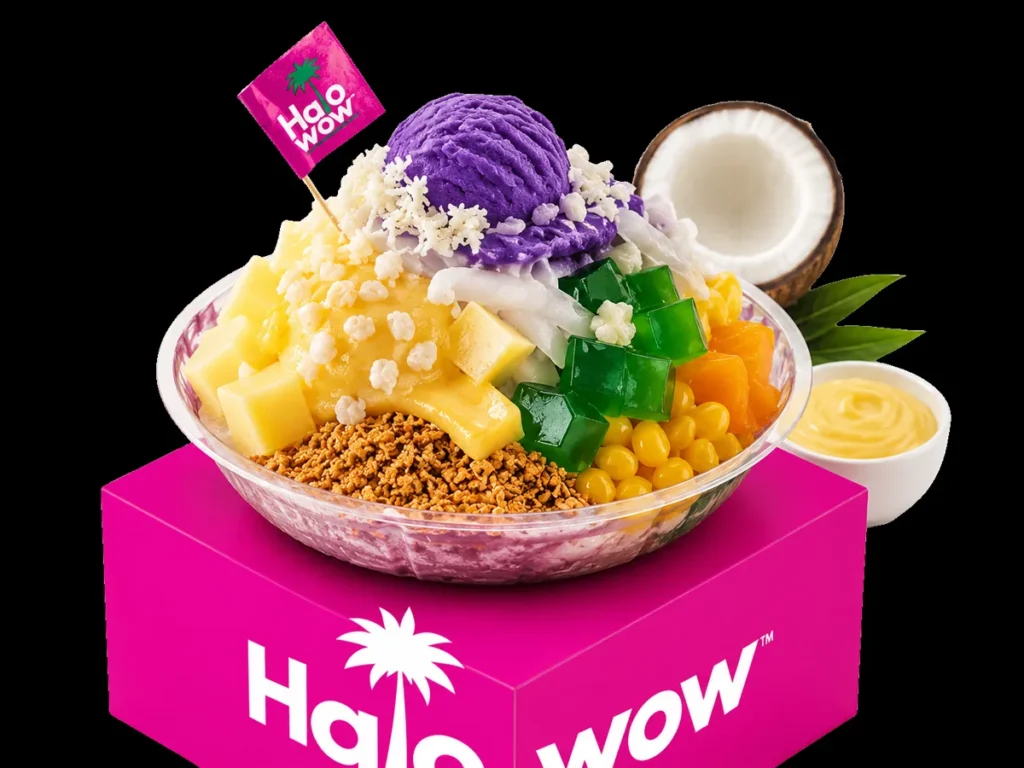
The early Filipino versions ran on whatever was cheap, sweet and close by. Saba was cooked in syrup until glossy. Sweet corn was the heart of maíz con hielo. Nata de coco and kaong, the chewy coconut and palm-fruit gels, gave it bite, langka gave it perfume, and gulaman and sago gave the spoon something to chase. Ube halaya came later, and today most people would say a halo-halo without it is missing something.
Every region leaned on its own favorites, which is why a halo-halo in Pampanga can taste noticeably different from one in Manila, Cebu or Davao.
How halo-halo went national
By the second half of the twentieth century, halo-halo was everywhere. Panciterias listed it. School canteens sold it. Beach resorts served it, and the biggest fast-food chains put it on their summer posters. It came in tall glasses, in plastic cups and, for big occasions, in a bowl set in the middle of the table for the whole family.
Along the way it became the dessert that means summer in the Philippines, and the first thing a lot of Filipinos abroad want when they land back home.
Halo-halo now
Today halo-halo is everyday comfort and a showpiece at the same time. Restaurant chefs plate refined versions, street vendors still shave ice by hand, and newer brands are rebuilding it with better ingredients. The good ones remember where it started: a plain glass of ice that Filipino hands made generous.
Why you mix before you eat
Halo means “mix” in Filipino, so halo-halo is literally “mix-mix”. You are supposed to stir it all together before the first spoonful, until the ice, milk and sweets turn into one cold, pale-purple glass. The metaphor is hard to miss, and we won’t belabor it.
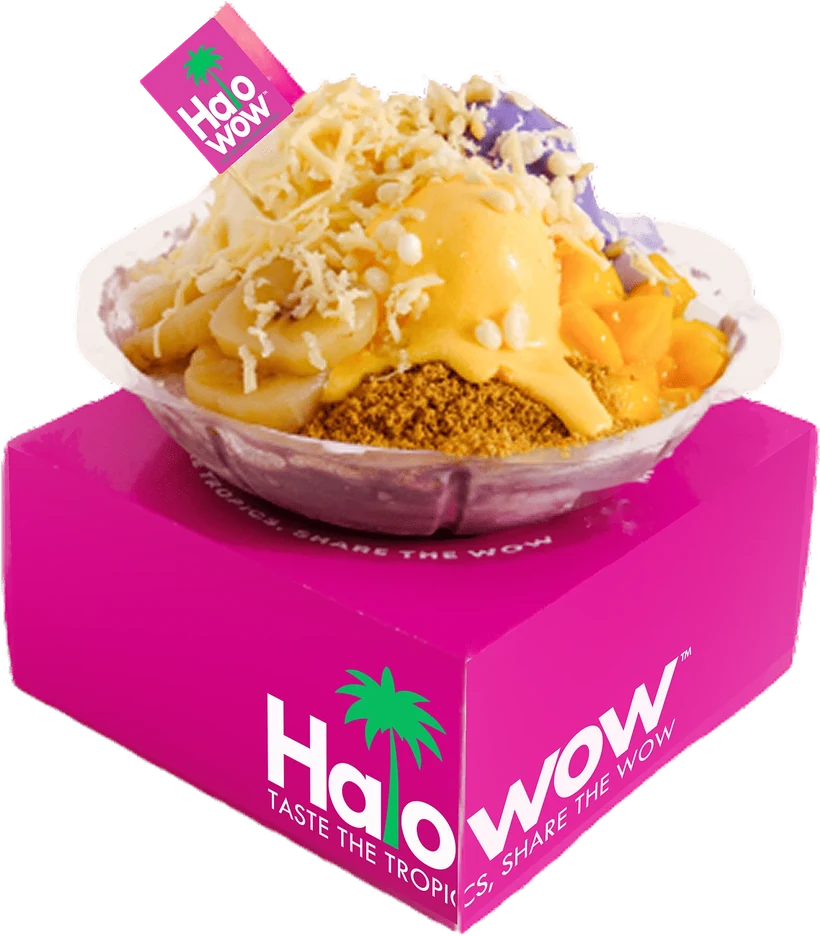
At Halowow we keep the layers honest. None of our five flavors use beans (we use sweet corn, the way the Maghinay family always did). Our ube is cooked slowly and never dyed. Every cup is made to order, with our premium signature ice and signature cream. See our five flavors.