

A food people remember
On paper, halo-halo is simple: shaved ice, milk, sweet things. Ask a Filipino about it, though, and you rarely get an ingredient list. You get a scene. Lola sliding sweet bananas into a tall glass. A tita pouring evaporated milk while the kids hover. The scrape of the ice shaver, and a long spoon knocking against the bottom of the glass.
That is why we think of halo-halo as an heirloom. It gets handed down in afternoons, hardly ever in recipe books.
Mix it first
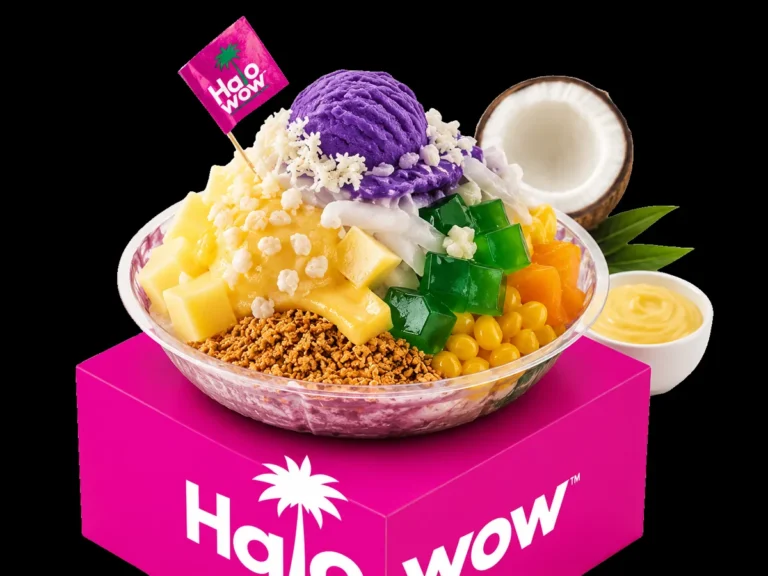
Nobody eats halo-halo the way it arrives. You stir the ube into the milk and the ice into the fruit until the whole glass goes pale purple and cold. The name comes from that habit: halo-halo, “mix-mix”.
There is something very Filipino about a dessert that only makes sense once everything in it has been thrown together.
Made for kapwa
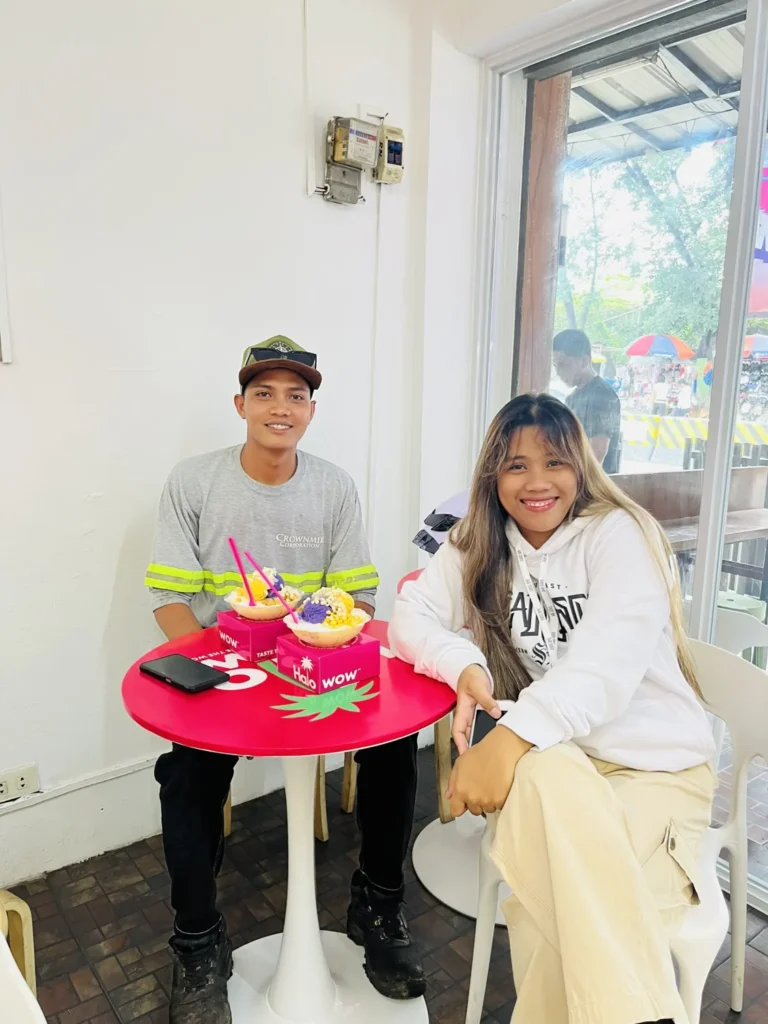
Filipinos have a word, kapwa, for shared identity, the sense that the self is never fully separate from other people. Halo-halo fits right inside it. People rarely eat it alone. It gets ordered for the table, split between siblings, carried home in a plastic bag for whoever stayed behind.
That is where our tagline comes from: “Taste the tropics, share the wow”. The sharing was part of halo-halo long before we came along.
The best part of merienda
Merienda, the mid-afternoon snack, is close to sacred here. Turon, banana cue, bibingka and pancit all have their place. On a hot afternoon, though, halo-halo wins. It is the merienda that feels like a small party, even on a Tuesday.
The sounds of a first halo-halo
Ask Filipinos about their first halo-halo and the same details keep coming back. The crunch of the ice shaver, the clink of a long spoon against glass, the purple swirl when ube meets milk, the race to get the ube before your kuya did. People remember this dessert with all five senses.
Those details are the reason a cup of halo-halo can make a grown adult feel ten years old again.
How Filipinos say welcome
In a lot of Filipino homes, halo-halo is a way of saying welcome. Drop by on a hot afternoon and you will be handed something cold before anyone asks you to sit. Fiestas and birthdays often have a halo-halo station, and the line usually has kids and lolas in it together.
Many ingredients, a lot of effort, all of it given away. That is Filipino hospitality in a glass.
Why it tastes like childhood
Taste and memory are tightly linked, and halo-halo tends to sit next to the happiest memories Filipinos have: summer vacation, family outings, the day school lets out. So people say no halo-halo is as good as the one they had as kids. They are probably right, which is why the best brands try to bring that feeling back instead of reinventing it.
A taste of home, far from home
For millions of Filipinos living and working abroad, halo-halo is a way back. OFWs order it in Dubai and Hong Kong. Second-generation Filipinos in Toronto and Los Angeles hear about it from their parents, then go looking for it themselves. One spoonful can bring back a whole childhood.
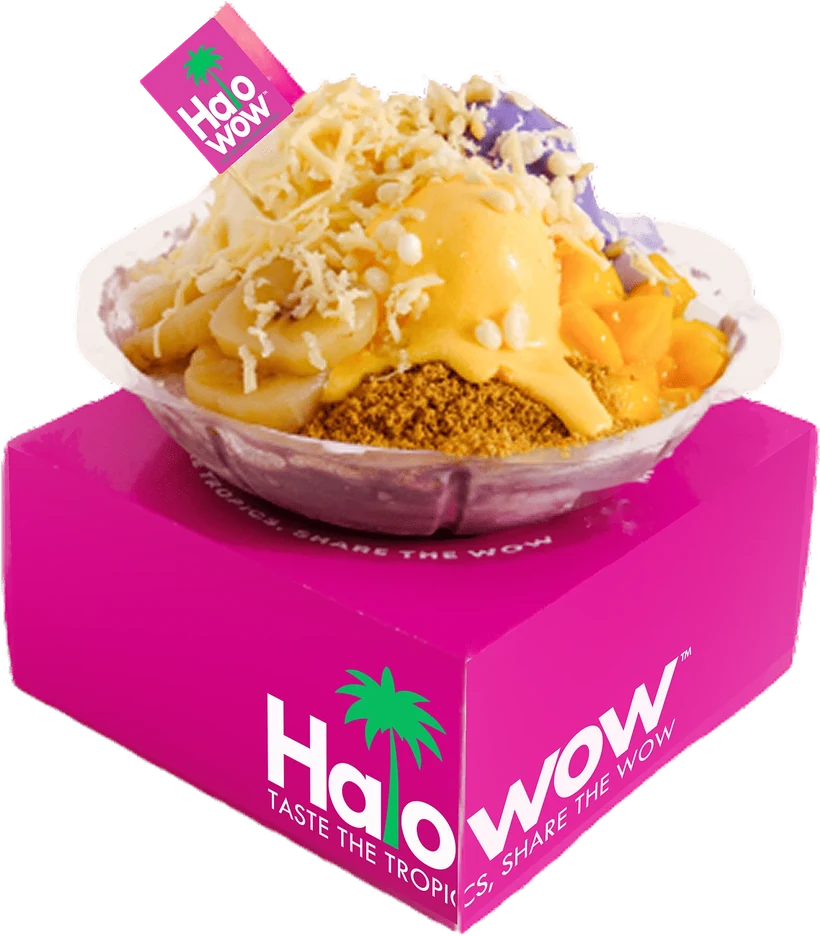
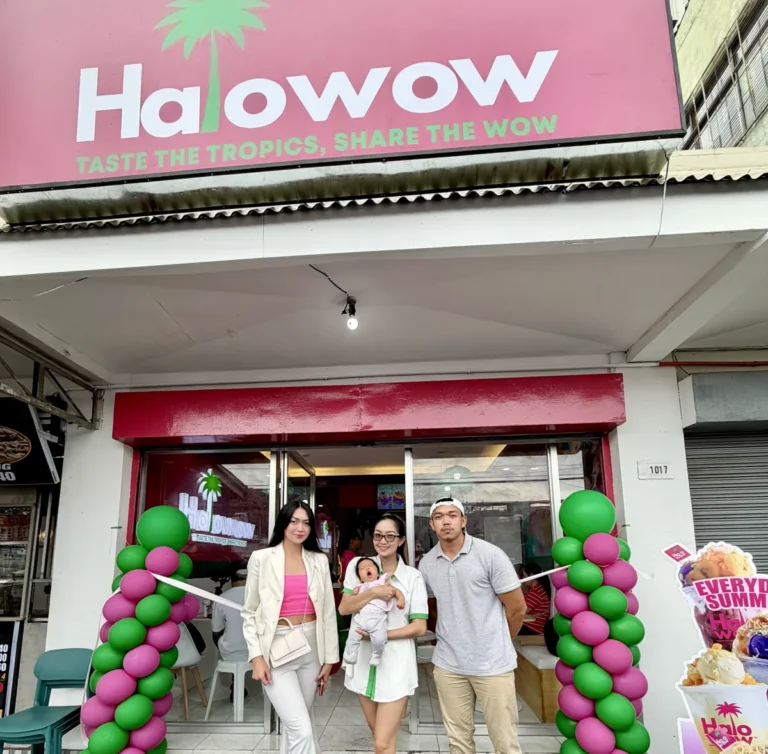
Halo-halo has lasted because it is intimate. We keep that in mind at Halowow: every cup is made to order, built for sharing and meant to taste like the halo-halo you remember. Read our family’s story.