
Halo-Halo and the Filipino Soul: More Than Just a Summer Treat
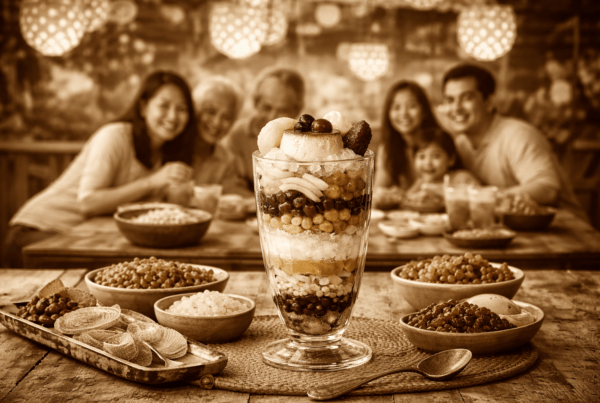
There are foods that nourish, and there are foods that console. But then, there are foods that do something more profound—they remember. Halo-Halo is one of them.To an outsider, it might seem like just a sweet refreshment designed for tropical heat: a towering glass filled with crushed ice, evaporated milk, and a kaleidoscope of candied ingredients. But to Filipinos, Halo-Halo is a cultural heirloom. It carries stories, seasons, and memories in every layer.
It begins with the setting: the sun overhead, the smell of rain on concrete, the lull of a fan rotating in a provincial dining room. For many, the first memory of Halo-Halo isn’t just of eating it, but of waiting for it. Watching as a grandmother or aunt scoops each ingredient with practiced hands: the caramelized bananas swimming in syrup, the ube halaya with its deep purple hue, the nata de coco glistening like glass. The process is slow. Intentional. Reverent.
And then there’s the sound. The soft crunch of ice being shaved, the splash of milk over toppings, the scrape of the long spoon stirring everything together until colors blur and textures collide. It is this ritual—this “mix-mix”—that gives Halo-Halo its name and its magic. Each bite is slightly different, yet somehow whole.
Beyond flavor, Halo-Halo embodies something more elusive: the Filipino concept of kapwa—shared identity. This dessert was never meant to be eaten alone. It is passed around the table, divided with siblings, eaten with neighbors on a stoop, shared between lovers after a long day. It does not belong to the individual; it belongs to the collective. And in that, it becomes more than refreshment. It becomes a vessel for joy.
Merienda—the midafternoon snack—is a sacred tradition in the Philippines, and Halo-Halo is its crown jewel. It softens the time between lunch and dinner, and it soothes the soul between obligations. But it’s not just for the palate. It’s a pause in the day. A memory in the making. A conversation starter.
Today, as Filipino communities grow across continents, the craving for Halo-Halo has transformed into something deeply emotional. It is a taste of home for the diaspora. A connection to childhood for OFWs. A portal to something pure for second-generation kids trying to make sense of where they belong.
In a world of rapid consumption and fleeting trends, Halo-Halo persists not because of novelty, but because of intimacy. It is a dessert that asks you to slow down, to sit down, and to share. In every spoonful, there is laughter, longing, and the quiet power of memory.