How One Family’s Halo-Halo Became a Movement
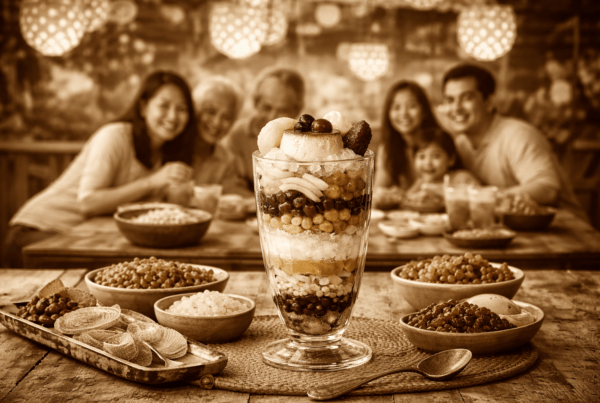
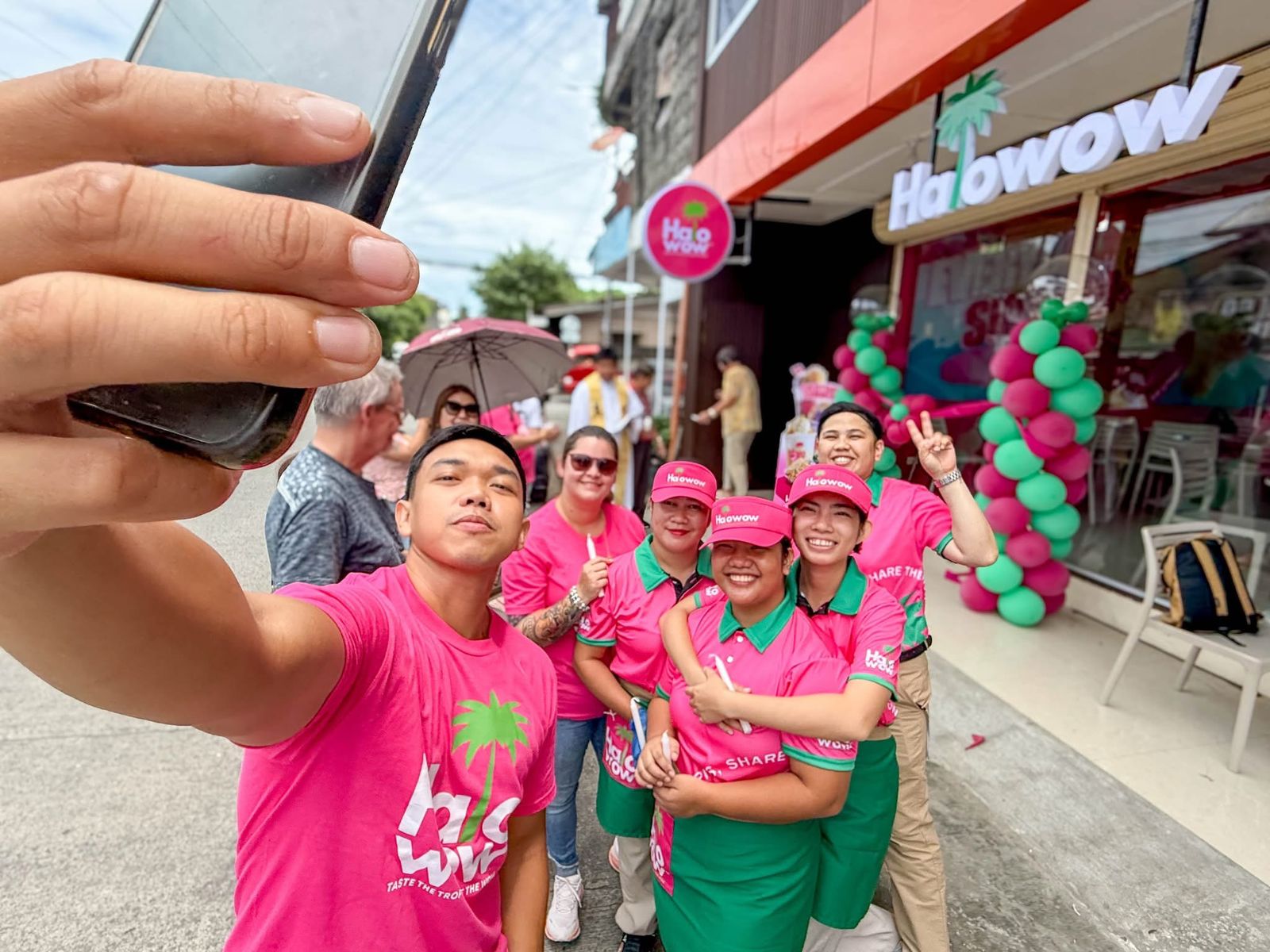
When the Maghinay siblings opened a dessert shop in 2025 in the municipality of Taytay, they didn’t set out to start a movement. They only wanted to make the halo-halo they remembered — the one their mother made during summers, the one their father quietly perfected over the years, the one that came to mean home, no matter where they were. But as word spread and people started lining up, first from the neighborhood, then from farther away, it became clear that Halowow wasn’t just a dessert. It was a shared longing — one cup at a time.
In a landscape where traditional foods are often diluted, reformatted, or commercialized beyond recognition, Halowow did the unthinkable: it chose intimacy over scale, authenticity over noise, and craft over speed. And it resonated.
Customers weren’t just coming for the ice and milk and ube. They were coming because it tasted like something they’d been missing — even if they couldn’t name it. That’s when the Maghinays realized they weren’t just serving food. They were reconnecting people to something cultural, emotional, and profoundly Filipino.
Halo-halo has long been a symbol of the Philippines — colorful, layered, unpredictable, and joyfully complex. But in the hands of Halowow, it became something else too: a statement of pride. A dessert that didn’t need to apologize or explain itself. One that could stand on a global stage, not as a novelty, but as a culinary artifact — humble, heritage-rich, and quietly powerful.
As Halowow’s following grew, so did its possibilities. Offers came in from business groups. Requests from overseas Filipino communities. Franchising inquiries from Manila to California. But the family didn’t rush. They understood what was at stake. The story of Halowow was personal — and if it were to become something bigger, it would have to scale with soul.
“We didn’t start this to become a brand,” one of the siblings explains. “We started it to honor a memory. If people connect with that memory, then yes — it becomes a movement. But it still has to feel like it came from the kitchen, not a boardroom.”
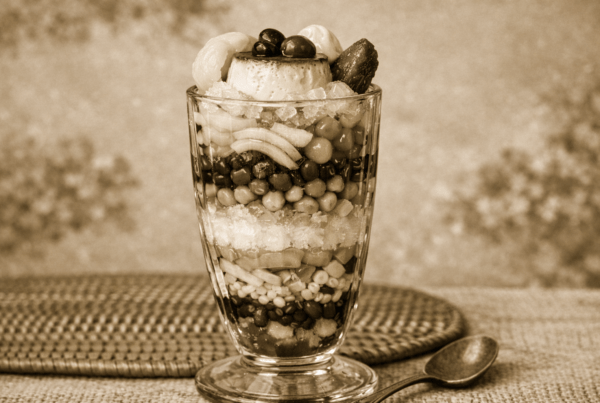
What makes Halowow compelling isn’t just the recipe or the process. It’s the way the experience preserves intention in a time when intention is often lost. It’s in the way the shaved ice melts just slightly before the first spoonful. In how the leche flan is always cut the same way. In the corn, chosen over beans. In the mix that never feels chaotic.These details are subtle. You could miss them if you’re not paying attention. But most people don’t — and that’s the point.
Halowow, now steadily expanding, isn’t just growing a business. It’s growing a shared memory, one that Filipinos across generations and borders can tap into. One that reminds them that heritage doesn’t have to be frozen in time. It can be shaved, sweetened, stirred — and served anew.