Halowow Is the Filipino Dessert Story the World Has Been Waiting For
In a quiet corner of Taytay, Rizal, halo-halo is being reborn — not in flashy colors or viral innovations, but in slow-simmered ube, corn instead of beans, and the kind of shaved ice that disappears before you can quite describe its texture. This is where Halowow began: a small family-owned shop launched in 2025 by the Maghinay siblings, serving a dessert that felt more like a memory than a meal.
There were no celebrity endorsements. No aggressive campaigns. Just a name passed through word of mouth, and a dessert that whispered to those who understood its rhythm. Halowow didn’t shout. It didn’t need to. What it offered — what it still offers — is far more enduring than trend: a return to care, to culture, to craft.
A Legacy Measured in Layers
To understand the soul of Halowow’s halo-halo, you have to return to the Filipino kitchen — the one with tiled countertops and old enamel bowls, where grandmothers rarely used measuring cups and recipes were memorized, not written. This is the spiritual origin of Halowow’s flagship dessert. It’s where the philosophy of the brand was shaped: one that values balance over abundance, precision over flash, and storytelling over spectacle.
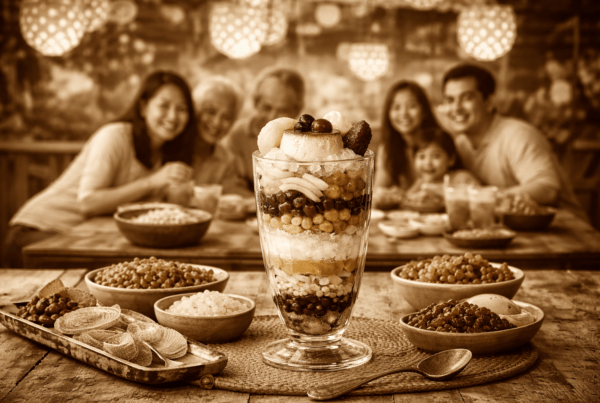
The Maghinay siblings didn’t just want to serve a better halo-halo. They wanted to recover it. To peel back the layers of over-commercialization and remind people what it was supposed to taste like before it became a fast-food item or an aesthetic on Instagram. They remembered the silence of summer afternoons broken by the scrape of a spoon through shaved ice. They remembered halo-halo not as a product, but as an event—slow, shared, and sacred.
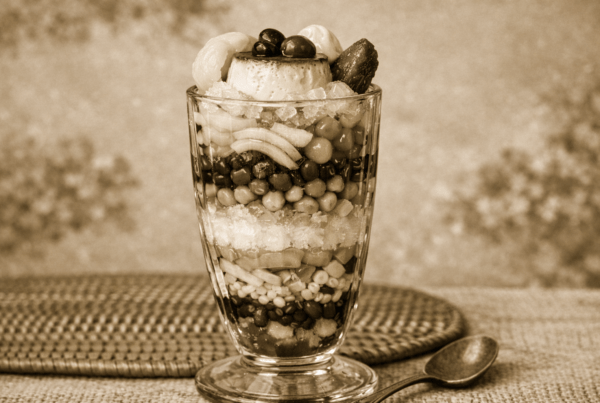
So they began with what they knew. Ube halaya, made the long way, stirred until it thickened with character. Leche flan, not too sweet, set gently until the spoon cuts through like velvet. Macapuno that pulls, not crumbles. Corn — not beans — added for depth and creaminess. And milk, always fresh, always last. The kind of ingredients you can name. The kind your lola would approve of.
“It’s not just about getting the mix right,” explains one sibling. “It’s about knowing what belongs — and what doesn’t.”
There are no shortcuts at Halowow. There are no toppings for the sake of variety. Every decision is considered. Every omission is as meaningful as what’s kept. This restraint, this respect for the dessert, is what sets Halowow apart. While many brands chase excess, Halowow chooses essence.
More Than a Product — A Cultural Gesture
To call Halowow a “dessert brand” is technically correct, but spiritually incomplete. What they’ve created is something closer to a culinary archive: a living, edible tribute to the Filipino soul. Halo-halo, in their hands, becomes more than refreshing. It becomes reflective. Nostalgic. Unapologetically Filipino. And yet, Halowow is not stuck in the past. Their approach is modern, but not performative. Their cups are clean and minimalist. Their visuals, sleek but warm. Their tone — online and in-store — is never kitschy or ironic. They respect the dessert too much to cheapen it. Instead, they invite you in.
The name “Halowow” was chosen not for shock value, but for truth. People took one bite and said it — “Wow.” And beneath that playful name is a serious vision: to reclaim Filipino desserts from novelty and place them where they belong — in the canon of the world’s great culinary traditions. The Maghinay siblings believe that halo-halo is as worthy of reverence as Italian gelato or Japanese mochi. It deserves chefs who train to make it properly. It deserves critics who take it seriously. And most of all, it deserves to be understood — not just consumed.
“It’s not a dessert made to impress,” one founder notes. “It’s made to remember. To remind. That’s what we’re after — the moment it clicks, and someone says, ‘This tastes like home.’”
A Global Future, A Local Soul
As interest in Filipino cuisine grows globally, Halowow is preparing for the next chapter — one that stretches far beyond Taytay.
Their franchise and expansion model is cautious but deliberate. They’ve turned down offers from investors looking to scale too fast. They’ve walked away from proposals that would compromise their ingredient sourcing. They’re not interested in being everywhere. They’re interested in being right — in choosing partners who understand that halo-halo isn’t fast food. It’s slow joy.
what Halowow is building isn’t just a business. It’s a movement — and movements, like halo-halo, require time to mix.
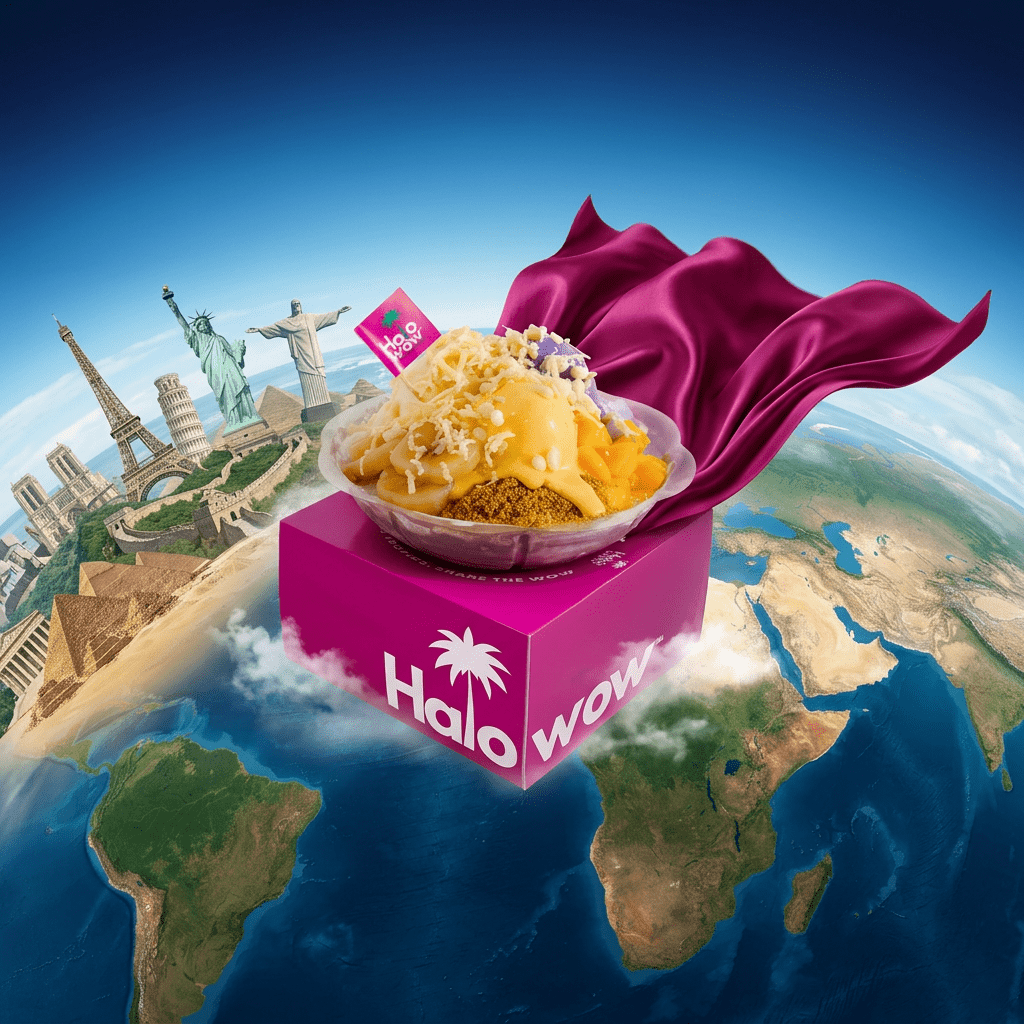
The dream is clear: to bring their version of the Filipino story to cities around the world. To offer a counterpoint to watered-down interpretations. To serve authenticity in a cup. But even as they dream big, they never forget their origin — a small kitchen, a family, and a dessert that deserved to be remembered properly.
Why It Matters
In a time when so much food is engineered for clicks, Halowow serves food for connection. It’s not designed to go viral. It’s designed to go deep — into memory, into culture, into the part of the palate that responds not to novelty, but to truth.
This is what makes Halowow the Filipino dessert story the world has been waiting for. It isn’t loud. It doesn’t try too hard. But it lingers. And it teaches.
It teaches that restraint is a skill. That heritage is best preserved through daily rituals. That the simple act of mixing ice, milk, and memory can stir something much bigger than a spoonful. And most of all, it teaches us what Filipinos have known all along:
That food isn’t just for tasting. It’s for remembering.