
Before the menus
Before halo-halo showed up on menus, in chains or on Instagram, it lived on family tables. Nobody wrote the recipe down. Whoever was in charge of merienda that day made it from memory, with whatever happened to be in the kitchen.
Every house had its own version
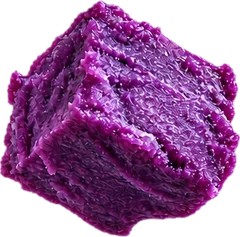
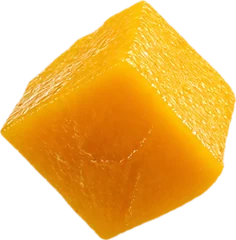
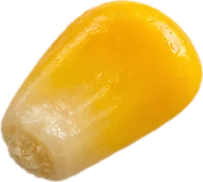
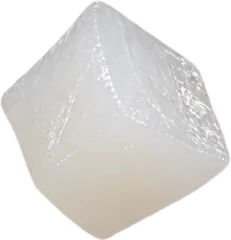
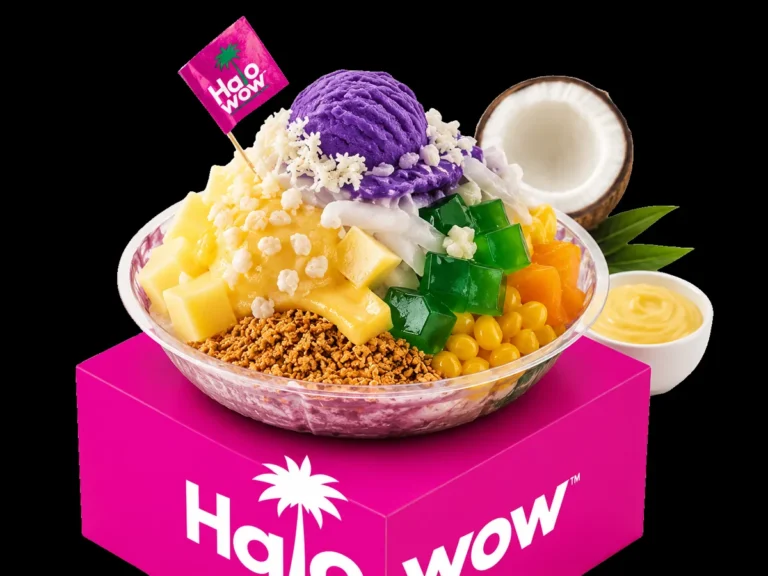
Some families kept it to three ingredients, starting with crushed ice and milk. Others went to a dozen: saba, kamote, corn, nata de coco, kaong, gulaman, macapuno, langka and ube halaya. Kids learned their family’s version by watching, then helping, and finally by being trusted with the ice.
So every Filipino has firm opinions about what belongs in halo-halo. Those opinions come from home, and arguing with them usually means arguing with somebody’s mother.
From kitchens to the whole country
As the Philippines urbanized, halo-halo moved out of homes and into food stalls and restaurants. Fast-food chains made it their big summer item, and Filipino restaurants put it on the must-order list. Somewhere in there it became a national icon, the dessert most people picture first when they think of the Philippines.
Halo-halo goes abroad
Filipino communities carried it with them. It turned up at pop-ups, Filipino-American cafés and dessert bars from California to the Middle East. Social media did the rest, since those colorful layers are as much fun to photograph as they are to eat.
The recipe nobody wrote down
Most family halo-halo recipes lived in someone’s hands. How long to cook the saba. How much sugar goes into the ube. When the milk goes in. When that person handed the job to a child or grandchild, the recipe went along with it, a little different each time.
That is why no two family versions match, and why every family is sure theirs is the correct one.
What the family table taught us
Ube halaya takes hours, and the family table taught us not to rush it. Halo-halo was made in batches for everyone in the house, so generosity came built into the recipe. The best versions were sweet, creamy and cold without tipping into cloying. And you learned from your elders before you changed a single thing.
Putting the table back in the cup
Once halo-halo became a commercial product, a lot of that care slipped away. Ingredients were made in bulk. Colored syrup stood in for real ube. Cups sat prepared for hours. A brand that wants to honor the tradition has to bring the family table back into the cup, one order at a time.
From one family table to many
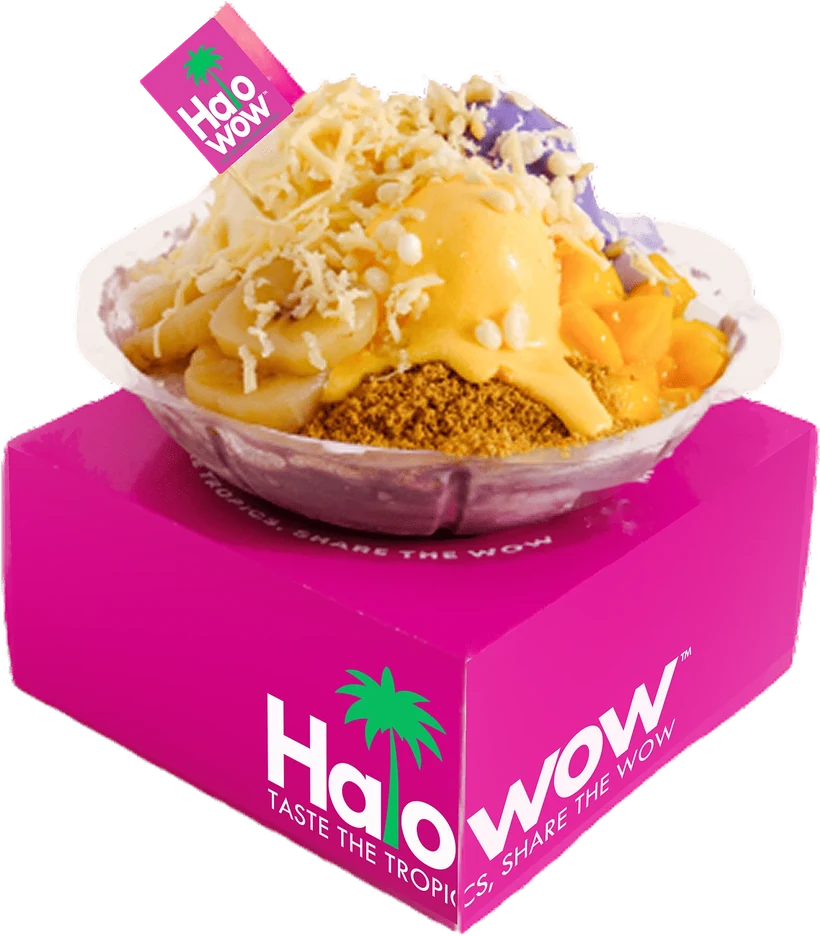
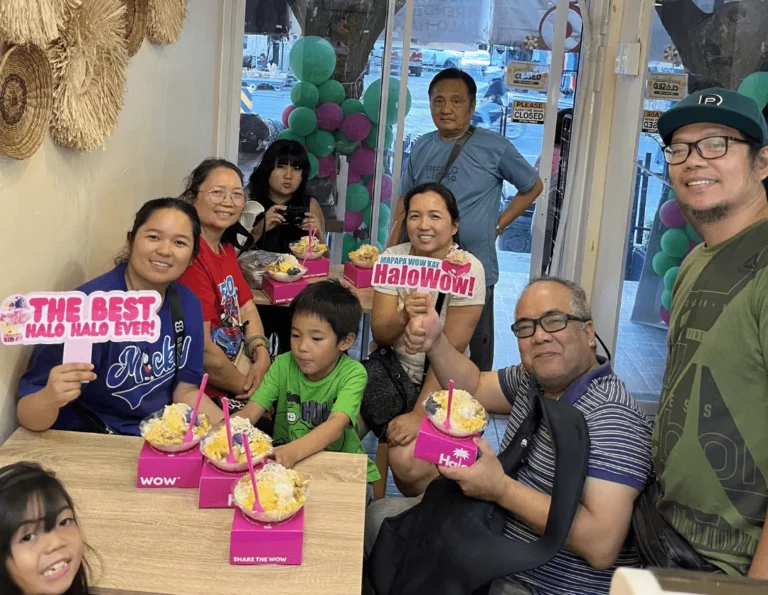
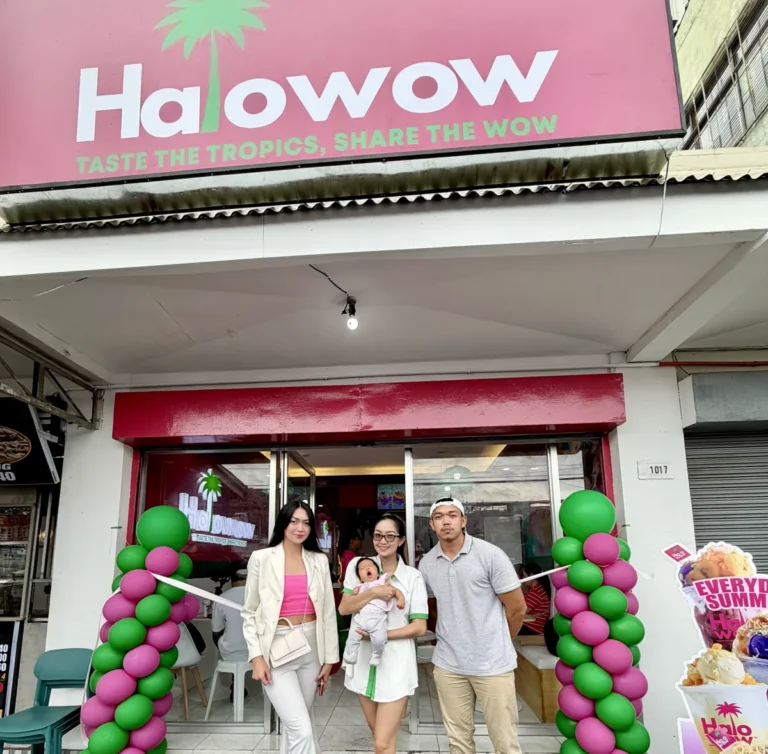
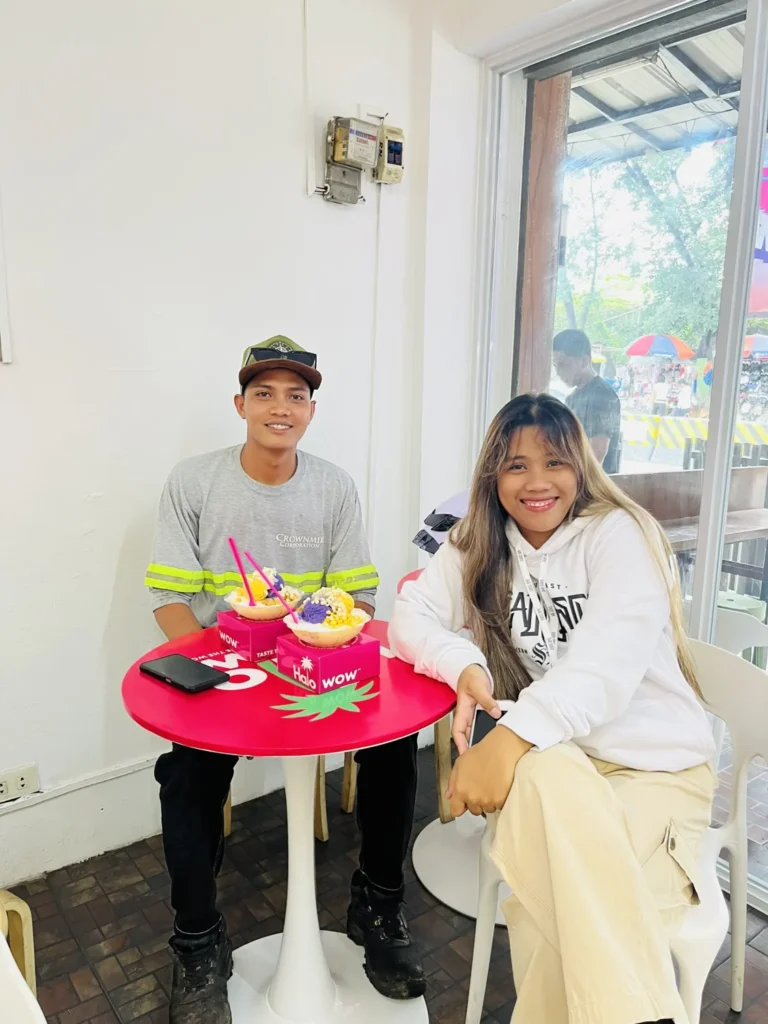
Halowow is one family’s table, opened up to everyone. The Maghinay siblings took the halo-halo their parents made and built a shop around it in Taytay, Rizal, in 2025. It is served at 16 branches now, and each one still makes it the way it was made at home: by hand, when you order, with the same care.
A legacy still being made
Calling halo-halo a legacy is fair. It shows how Filipino families pass love down a generation: you make something by hand, and you share it.
Halowow came out of one of those family tables. The Maghinay siblings grew up on the halo-halo their mother made and their father kept refining, and in 2025 they turned it into Halowow. Read how Halowow began.